
Understanding M-Sport Codes in Nigeria
🔧 Explore how M-sport codes shape vehicle tuning and performance in Nigeria’s motorsport scene. Learn their role in rallies, compliance, and new tech trends 🔥
MSport Sport has carved a niche by merging traditional physical sports with digital elements, creating a fresh experience for players and fans in Nigeria. It goes beyond regular games by integrating online platforms, mobile apps, and real-time interactions to keep audiences engaged.
At its core, MSport Sport combines athletic skill with digital engagement such as live stats, in-app challenges, and virtual competitions. This hybrid model appeals especially to younger Nigerians who are keen on mobile technology and social media. For example, football fans in Lagos can take part in virtual penalty shootouts on their smartphones while simultaneously watching matches in local arenas or on satellite TV.
More than entertainment, MSport Sport opens doors for athletes to showcase talent beyond physical venues. Digital scouting apps enable scouts to track emerging players from remote areas who might otherwise be overlooked. Similarly, businesses like sportswear brands and betting companies tap into MSport platforms to reach tech-savvy audiences nationwide.
Key features of MSport Sport include:
Interactive Gaming: Players participate not just physically but through digital layers that add new challenges.
Social Integration: Fans share highlights, join live chats, and compete in fantasy leagues tailored for Nigerian sports culture.
Monetisation Paths: Athletes and organisers profit through sponsorships, digital ticket sales, and online betting tied to these events.
"MSport Sport bridges the gap between physical sports and digital technology, creating novel opportunities in Nigeria’s bustling sports ecosystem."
Despite its promise, the sector faces challenges like irregular internet access outside urban centres, regulatory uncertainties around online betting, and infrastructural gaps in digital payment systems. However, Nigerian startups and sports bodies continue to innovate, ensuring MSport’s growth aligns with local realities.
Understanding MSport Sport means recognising it as a fast-growing fusion of sports and tech that reshapes how Nigerians play, watch, and profit from sports. Its rise reflects Nigeria’s youthful energy and growing digital footprint, making it a key part of the country’s sports future.
MSport Sport stands out as an evolving form of sports entertainment that combines traditional athletic competition with digital engagement. Its importance lies in how it reshapes fan participation, offering fresh ways to interact with sports beyond just watching live games. Given Nigeria's growing tech-savvy population and passion for sports like football and athletics, understanding MSport Sport helps stakeholders tap into new opportunities in sports consumption, betting, and technology.
This introduction sets the stage by explaining what MSport Sport is and tracing its growth globally. Nigerian players, app developers, gamblers, and regulators will find this groundwork valuable to grasp the limits and advantages within the local context. For example, Nigerian platforms such as Betking and Nairabet have integrated features inspired by MSport Sport elements to boost user engagement.
At its core, MSport Sport blends real-life sport events with digital interfaces, often involving live streaming, augmented reality (AR), interactive apps, and sports betting tied to live matches. The scope spans from traditional football matches enhanced with virtual stats and predictive analytics, to virtual races or fantasy leagues that mimick real competitions. This hybrid nature expands how people consume and participate in sports.
In Nigeria, MSport Sport is not just about watching games; it includes involvement through mobile apps that offer instant betting and social features, making sports more accessible even in areas with limited venue access. Apps like OPay and PalmPay, which support cashless betting on sports events, demonstrate how MSport Sport adapts to Nigeria's digital ecosystem.
MSport Sport has its roots in the rise of digital technologies around the early 2000s, with the spread of broadband internet and mobile technology enabling new forms of sports interaction. Countries like the UK, USA, and China led early adoption through fantasy football, VR experiences, and integrated betting platforms.
Globally, it evolved from simple broadcasts into immersive experiences where virtual elements overlay real matches in real-time. This development was fuelled by demand for instant data, real-time statistics, and interactive features. For instance, the English Premier League's use of enhanced data analytics and app-based fan engagement serves as a global benchmark.
Nigeria is steadily joining this trend, courtesy of rising smartphone penetration and internet access improvements. Though still facing challenges like network stability and regulatory clarity, Nigerian startups and sports companies are beginning to invest seriously in MSport Sport innovations, seeking to localise global models for the Nigerian market.
MSport Sport's rise reflects a shift in how Nigerians experience sports — from passive spectators to active participants in a digital arena.
By establishing these basics, readers can better appreciate how MSport Sport fits into Nigeria’s sporting culture and digital economy. The next sections will explore how this affects athletes, fans, technology infrastructure, and regulatory environments specifically within Nigeria.
MSport Sport has become a significant part of Nigerian sports culture, bridging traditional physical sports with digital interaction. It extends the reach of popular games beyond stadiums and pitches, allowing fans to connect and engage through technology.

MSport Sport naturally integrates with major Nigerian sports like football, basketball, and traditional wrestling. For example, the Nigerian Professional Football League (NPFL) now partners with digital platforms providing live match updates, fantasy leagues, and interactive polling. This digital layer enriches fan experience and encourages deeper connection with local clubs such as Enyimba FC or Kano Pillars.
Traditional sports like Dambe boxing and local wrestling have also found new audiences online, where enthusiasts follow competitions through live streams, social media, and dedicated apps. This creates fresh interest and helps preserve cultural heritage while adapting to modern consumption habits.
Furthermore, MSport Sport introduces formats like e-sports tournaments themed around popular Nigerian sports. This fusion appeals especially to younger fans who merge gaming with their love for physical sports.
A strong feature of MSport Sport is its ability to engage fans actively rather than just passively. Nigerian sports fans often gather in local bars, mama puts, or social spots to follow events, and MSport expands that by creating online communities where supporters debate, predict outcomes, and take part in contests.
Apps like Bet9ja and SportyBet have capitalised on this, offering not just betting options but also forums and social feeds where users share insights and reactions live. This social interaction builds a sense of belonging, especially across the diaspora.
Moreover, grassroots clubs and local leagues can utilise MSport Sport tools to gain visibility and attract sponsors. Through social media campaigns and fan engagement platforms, smaller teams showcase talents and build loyal support networks.
MSport Sport transforms the fan experience from mere viewership to participation, making sports a shared cultural event across Nigeria’s diverse communities.
In sum, MSport Sport complements Nigeria’s vibrant sports culture by merging physical and digital worlds. It supports popular sports, revives traditional games, and connects fans more closely with their favourite teams and local events. This dynamic interaction opens up fresh opportunities for growth and innovation across Nigeria's sports ecosystem.
The backbone of MSport Sport's rapid rise lies in the advanced technological platforms that power it. These platforms enable seamless interaction between athletes, fans, organisers, and sponsors, bridging physical sports with digital engagement. In Nigeria, where mobile phone penetration continues to grow, technology has become crucial in expanding the reach and accessibility of MSport Sport.
Mobile and online applications form the primary gateway for users to engage with MSport Sport. Apps designed for betting, live streaming, and interactive gaming enable fans to stay connected, even from remote areas with limited physical sports infrastructure. For example, platforms like Paystack and Flutterwave integrate efficient payment systems enabling swift deposits and withdrawals for users betting on MSport events. Furthermore, mobile apps like Bet9ja and SportyBet have incorporated MSport features, allowing real-time participation and access to match statistics.
These applications often include user-friendly interfaces that cater to both tech-savvy youths and older users, allowing them to navigate without confusion. Beyond entertainment, such apps help organisers collect critical user data to improve event scheduling, marketing, and fan engagement strategies. For Nigerians who spend hours daily on smartphones, this technology turns MSport Sport into an anytime, anywhere experience.
Data analytics and virtual reality (VR) are transforming how MSport Sport operates and how audiences experience games. Data analytics tools collect vast amounts of information—from player performance metrics to fan engagement patterns—enabling teams and organisers to make informed decisions. Nigerian startups involved in sports tech increasingly employ analytics to optimise athlete training or tailor marketing campaigns.
On the other hand, VR is beginning to offer immersive experiences, allowing fans to virtually step into stadiums or training grounds from their homes. Though still emerging in Nigeria, companies are experimenting with VR headsets and 360-degree live streams to bring fans closer to the action. Imagine watching a match from a virtual seat, hearing stadium cheers and analysing plays up close. This technology does not only excite fans but also offers new sponsorship opportunities with branded virtual environments.
Technological platforms are not just tools but essential pillars driving MSport Sport’s growth in Nigeria. Their ability to adapt to local digital habits while providing international-standard experiences is key to the sector’s promising future.
Efficient mobile apps combined with powerful data analytics and emerging virtual reality technologies are reshaping MSport Sport into a dynamic, inclusive, and commercially viable ecosystem for all stakeholders involved.
MSport Sport has opened up fresh ways for economic growth and career development in Nigeria’s sports ecosystem. Unlike traditional sports, this digital-enhanced format creates multiple avenues where athletes, organisers, and businesses can monetise their involvement beyond the usual ticket sales and endorsements.
Athletes now earn income not only from competition but through digital engagement avenues like streaming and fan subscriptions. Platforms hosting MSport Sport events often offer pay-per-view or membership services, allowing loyal fans in Lagos, Abuja, and beyond to support their favourites directly. Take footballers participating in virtual leagues who can draw thousands online; they monetise fan interactions and sponsorships on these platforms, often surpassing traditional match-day earnings.
Organisers too benefit by incorporating digital ticketing and virtual advertising slots which create scalable revenue independent of physical venue capacity. For example, local sports clubs hosting MSport tournaments can attract sponsors eager to tap into a growing online audience, especially youths keen on interactive viewing experiences.
MSport Sport fuels growth in Nigeria’s sports tech sector. Developers building apps for real-time betting, live stats, and virtual reality experiences tap into high demand from an engaged digital sports audience. Companies like OPay and Flutterwave have explored partnerships to streamline in-app payments, making transactions effortless for users.
Sponsorship dynamics are shifting too. Brands targeting Nigerian youths find innovative campaigns via MSport Sport platforms more effective than traditional adverts. For instance, beverage companies sponsoring virtual tournaments use influencer marketing combined with interactive contests to boost brand visibility and customer loyalty.
Digital engagement through MSport Sport not only revolutionises how fans connect but establishes sustainable income models for both athletes and related businesses.
This evolving landscape promises sustained economic benefits, provided stakeholders keep innovating and address challenges like internet access. For Nigerian players, tech developers, and sponsors, MSport Sport offers a stage to expand reach and revenue simultaneously.
Nigerian MSport Sport faces several hurdles that affect its growth and adoption. Understanding these challenges is key for athletes, developers, and regulators aiming to improve the sector. Infrastructure, internet service, and regulatory matters create real barriers that hinder both user experience and business operations.
One of the heavyweights slowing down MSport Sport in Nigeria is the lack of reliable internet and infrastructure. For instance, many users in rural or suburban areas struggle with slow or unstable connections, causing interruptions during live events or online interactions. Imagine an MSport tournament where a player’s connection drops at a critical point—frustration is inevitable.
At the same time, electricity supply remains shaky in many parts, making it difficult to consistently power devices or servers required for the digital platforms supporting MSport Sport. This forces many to rely on costly generators or power banks, increasing operational costs. The high cost of mobile data in Nigeria compared to incomes also limits frequent online engagement for many.
Without solid broadband infrastructure, innovations like virtual reality immersions or real-time analytics will remain out of reach for many users. This creates a significant digital divide, limiting MSport Sport’s reach and inclusiveness.
On the regulatory front, the legislation surrounding MSport Sport is still evolving. The absence of clear, specific guidelines leaves organisers and tech developers in a state of uncertainty, with concerns over licences, taxation, and compliance requirements. For example, questions remain over the role of agencies like the National Lottery Regulatory Commission (NLRC) and the Nigerian Communications Commission (NCC) in overseeing MSport-related betting or digital platforms.
Security risks also loom large. Cases of cyber fraud and identity theft have increased with rising online transactions, especially in platforms involving betting or digital wallets. Users often worry about data privacy and the safety of their winnings, which undermines trust.
Strengthening cybersecurity measures and establishing clear regulations will be essential to protect users and encourage responsible growth in Nigeria’s MSport Sport scene.
To tackle these concerns, collaboration between the government, tech firms, and sports bodies is vital. Regulators need to define frameworks that support innovation while protecting participants. Meanwhile, education on digital literacy and security practices can empower users to navigate MSport platforms safely.
Addressing these infrastructure and regulatory pains will set a solid foundation for MSport Sport to thrive across Nigeria, connecting more athletes and fans than ever before.
Looking ahead, the future of MSport Sport in Nigeria looks promising but requires strategic focus to truly flourish. Understanding this outlook is vital because it shapes how stakeholders—athletes, tech developers, fans, and regulators—can prepare for the opportunities and challenges that lie ahead. Nigeria’s youthful population and growing digital engagement provide fertile ground for MSport Sport to expand and innovate meaningfully.
MSport Sport’s growth potential in Nigeria largely depends on its ability to adapt to local contexts and technological trends. For example, integrating mobile-first platforms with low data consumption can broaden access to users across the country, including those in rural areas where internet infrastructure is still developing. Innovating with augmented reality (AR) and virtual reality (VR) can also redefine how fans interact with sports content, making the experience immersive rather than passive.
Another aspect is the expansion of MSport Sport into new sports genres popular in Nigeria, such as football, basketball, and even traditional wrestling. Incorporating local languages and culturally relevant content within apps or platforms can boost user engagement. Also, offering in-app features for betters—like live score updates, secure payment gateways, and transparent odds—could capture growing interest in sports gambling, which remains a booming sector in Nigeria.
The government and private sector have key parts to play in shaping the future of MSport Sport. The government can provide regulatory frameworks that protect users while encouraging innovation. Clear policies around data privacy, digital payments, and e-sports governance will help create a stable environment for operators and investors alike. For example, collaboration between the Nigerian Communications Commission (NCC) and the National Lottery Regulatory Commission can harmonise guidelines for MSport Sport platforms.
Private companies, including fintech firms like Paystack and Flutterwave, can offer payment and scalability solutions tailored to sports technology needs. Sponsorships from telecom giants such as MTN and Airtel can fund MSport Sport events and marketing, reaching wider audiences efficiently. Plus, incubators and tech hubs could nurture startups focused on MSport Sport development, encouraging homegrown innovation.
A partnership between government regulation and private sector investment will be the backbone of MSport Sport’s sustainable growth in Nigeria.
🔧 Explore how M-sport codes shape vehicle tuning and performance in Nigeria’s motorsport scene. Learn their role in rallies, compliance, and new tech trends 🔥
Learn how MSport Prize Matcher boosts your betting wins in Nigeria ⚽️. Get tips, rules, and know how to use it on top Nigerian sites to multiply prizes ₦
💡 Understand mSport bonus rules in Nigeria: types of bonuses, eligibility, wagering, and withdrawal terms. Get the best from your bets and maximise your ₦ winnings today!
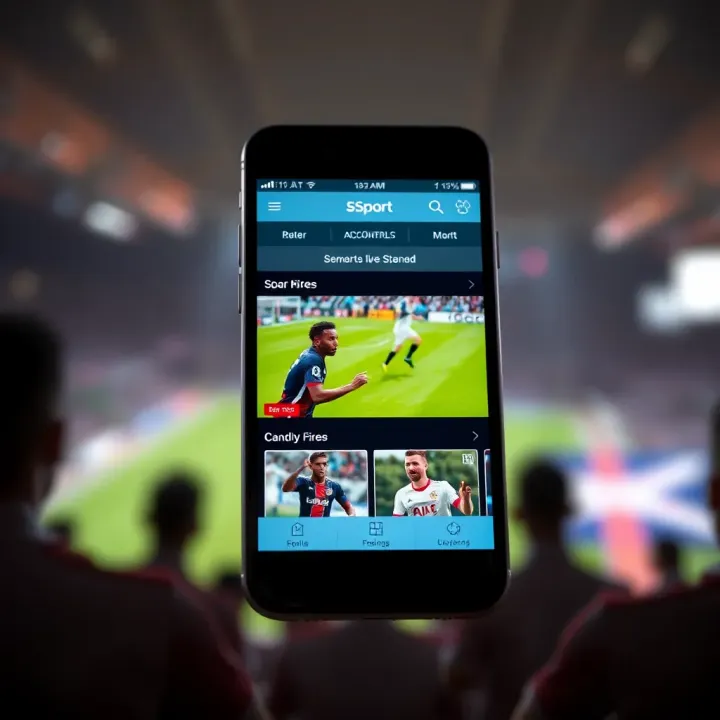
Catch live local and international games on MSport Live Sport ⚽️🏀. Enjoy easy access, solid coverage, and a look at its impact on Nigerian sports streaming 📺🇳🇬.
Based on 9 reviews