
How to Withdraw Your MSport Bonus in Nigeria
Navigate withdrawing from your MSport bonus account in Nigeria with ease 🏆. Learn eligibility, stepwise methods, and pro tips to access your ₦ winnings smoothly 💸.
Edited By
Amaka Okoro
Registering with MSport in Nigeria opens the door to official recognition in the country's vibrant sports sector. Whether you're a player, club official, or event organiser, understanding the MSport registration process is essential for compliance and unlocking various benefits.
MSport registration ensures you operate within Nigeria's sports regulatory framework. Without it, your activities may be deemed unofficial, limiting your access to competitions, sponsorships, and government support.

Eligibility checks to confirm you meet basic criteria.
Preparation of required documents.
Submission of application through the MSport platform.
Verification and approval by the governing body.
Official registration not only legitimises your sports activities but also enhances your profile for potential partnerships and sponsors.
Unlike informal sports arrangements often seen around local parks or community centres, MSport registration confers official status recognized at state and federal levels. This process safeguards your interests and ensures standardisation across Nigeria’s sports industry.
In practice, clubs that have registered stand better chances of participating in national tournaments empowered by bodies like the Nigeria Football Federation (NFF) or Athletics Federation of Nigeria (AFN). Similarly, individual athletes can access government grants and training programmes exclusive to registered members.
You will need key documents such as:
Identification (National ID or International Passport)
Proof of residential address
Previous competition records (if applicable)
Letters of recommendation from recognised sports organisations
Starting your registration early helps avoid last-minute rushes commonly experienced before competition deadlines. Using official digital platforms or visiting MSport offices in major cities like Lagos, Abuja, or Port Harcourt streamlines your application.
Next sections will guide you through each step, from eligibility assessment to final registration confirmation, making the entire process easy to follow for all stakeholders involved in Nigerian sports.
MSport registration is a fundamental requirement for anyone involved in sports activities in Nigeria. It serves as the official process to recognise and regulate sports entities, ensuring fair play and compliance with national standards. Whether you are managing a sports club in Lagos or an individual athlete preparing for a competition in Abuja, registering with MSport is a key step to participate legally and access government-supported resources.
Registering with MSport helps the authorities maintain order and structure within Nigeria's sports ecosystem. It ensures that all recognised teams, athletes, and associations operate under clear rules to protect integrity and fairness. For example, without registration, it would be difficult to monitor match-fixing or fraudulent player transfers, which undermine the credibility of sports competitions.
This regulatory role also opens doors for organised scheduling of tournaments and allocation of government grants or sponsorships. It keeps rogue or unauthorised groups from exploiting sports events, which can damage reputations and cause confusion among fans and sponsors alike.
MSport registration guarantees that registered entities adhere to the standards set by the Nigerian Sports Commission and related bodies. This ranges from safety protocols during training to anti-doping regulations in competitive events.
Practically, this means registered clubs and athletes must meet criteria like valid licences, certified coaching staff, and health clearances before participating in official games. Non-registered participants risk disqualification or legal consequences, which emphasises why compliance is non-negotiable for anyone serious about their sports career.
All sports clubs and teams looking to compete in sanctioned leagues or tournaments are required to register with MSport. This includes community football teams, basketball clubs, and other organised groups. For instance, a football club in Ibadan planning to join the state league must have MSport registration to confirm legitimacy and eligibility.
Registration also helps teams access facilities, funding, and technical support from local authorities, which are often reserved for officially recognised groups.
Individual athletes who want to compete in official competitions—especially those aiming for national or international levels—should register through MSport. This process records their eligibility, tracks performance data, and verifies their credentials.
For example, a sprinter from Kano who wants to participate in Nigeria's National Sports Festival needs MSport registration to prove they meet coaching and medical criteria. It also makes it easier for talent scouts and sponsors to identify promising athletes.
Organisations such as basketball federations, athletics unions, and other sports governing bodies must register with MSport to operate formally. This recognition allows them to organise events, enforce rules, and liaise with government agencies.
Registered associations often receive official backing to conduct training programmes, certify coaches, and manage athlete welfare schemes. Without registration, their activities lack the legal authority necessary to function effectively or secure funding.
Successful MSport registration unlocks opportunities within Nigeria's sports ecosystem while enforcing a standard of professionalism that benefits all stakeholders.
Understanding how to navigate the MSport registration process saves time and reduces frustration. It lays out clear steps to follow, ensuring you have all key documents ready, know where and how to submit applications, and understand payment details. Knowing these stages prevents delays that could affect your participation in competitive sports or other related activities. For athletes, clubs, or organisers, this guide is practical; it breaks down what otherwise could be a confusing process.
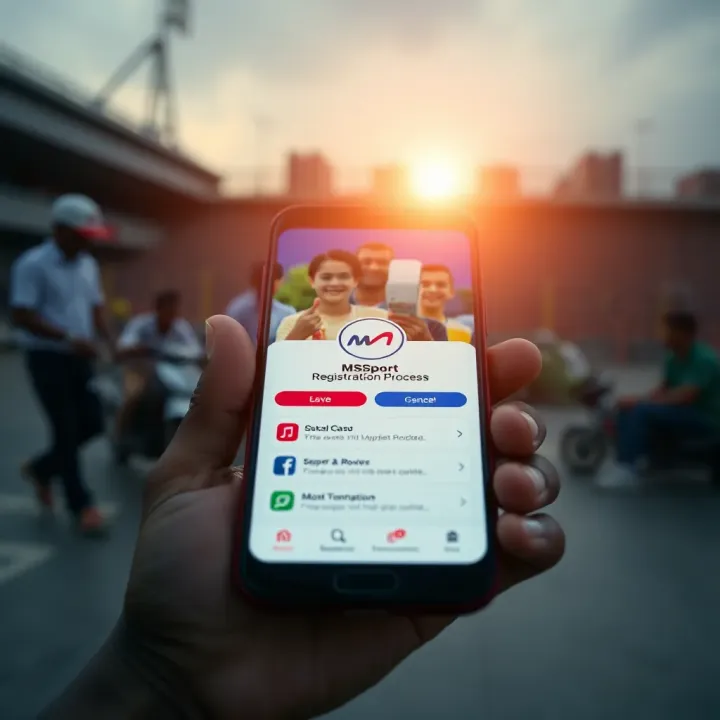
Every applicant must provide valid identification and up-to-date contact information. This usually means submitting a national ID like the National Identity Number (NIN), driver's licence, or international passport. Accurate phone numbers and email addresses are crucial because they serve as main channels for communication throughout the registration.
Showing association with a recognised sports club or organisation helps legitimatise your application. For instance, if you are a player registered under a local football club, a letter or certificate from the club confirming your membership is necessary. This evidence links you to the recognised sports ecosystem and supports compliance with MSport regulations.
Certain sports require specific certifications or licences before registration. For example, coaches may need coaching certifications from recognised bodies, while referees or officials might require accreditation papers. Submission of these documents ensures only qualified individuals operate professionally within Nigerian sports.
The MSport agency offers an official online portal where applicants can fill out forms, upload documents, and track their application. This method is faster and convenient, especially for tech-savvy users. However, ensure your internet connection is stable to avoid errors or timeouts during submission.
For those with limited internet access or preference for in-person service, physical submission remains an option. Designated registration centres in major cities across Nigeria accept printed application forms and copies of supporting documents. This traditional method also gives applicants a chance to ask questions directly and receive immediate feedback.
Registration fees vary depending on the category—individual athlete, club, or organisation—and the sport type. These fees typically cover processing, verification, and issuing of registration certificates. Being aware of the fee structure before applying helps you plan financially and avoid last-minute surprises.
Payments can be made through multiple channels to accommodate all applicants. Options include bank transfers to specified MSport accounts, payments via POS terminals at registration centres, and mobile money platforms like OPay or PalmPay. Using these widely accepted payment methods ensures smooth processing without unnecessary delays.
MSport conducts thorough background checks to confirm the authenticity of submitted documents and the applicant's eligibility. This stage verifies that applicants are not involved in banned activities and that their affiliations are genuine. Such checks protect the integrity of Nigerian sports.
Once verification is complete, applicants receive notifications on the outcome via email or SMS based on their preferred contact method. Successful registrants get official certificates or digital confirmation, allowing them to proceed with their sports activities legally. Timely communication ensures everyone stays informed and can plan accordingly.
Following this step-by-step approach makes MSport registration less daunting. It also ensures your sports journey in Nigeria starts on a solid, compliant footing without unnecessary hiccups.
Registering with MSport in Nigeria might seem straightforward, but applicants often face common pitfalls that can slow the process. Understanding these challenges upfront can save you time and frustration, ensuring your registration goes without hitches. This section tackles key obstacles such as documentation issues, payment delays, and technical problems, with practical tips to steer clear of them.
One frequent snag comes from submitting incomplete or incorrect documents. Double-checking your papers before submission is essential. Go through your forms and certificates carefully, ensuring your contact details, identification, and proof of affiliation are accurate and clearly legible. For example, a typo in your email or phone number can delay communication about your application status.
Keep a checklist handy to verify everything is included. Also, scan documents in the correct format and resolution if uploading online to avoid rejection. Remember, authorities won’t chase after missing documents — it’s on you to get things right from the start.
When you’re unsure about required papers, don’t hesitate to seek guidance. You can contact the MSport registration helpdesk or visit authorised centres for assistance. Experienced staff can clarify doubts and point you to the exact documents needed, which avoids wasting time chasing after unnecessary paperwork.
Delays in paying registration fees pose another hurdle. Timely payment confirms your application and speeds processing. Ensure you use recognised payment methods like bank transfers, USSD codes, or mobile money platforms that MSport accepts. For instance, paying through OPay or Paystack is faster and provides instant confirmation.
Keep records of your payment receipts, as you may need to present them if any issue arises. Late payments often push your application to the back of the queue, increasing waiting time unnecessarily.
After paying, it’s wise to follow up regularly on your application status. Murphy’s law sometimes hits official portals, or paper files might get misplaced. Consistent follow-up calls or visits to registration centres help keep your case on track. Remember, patience is key, but so is persistence.
MSport’s online portal is a convenient option, but technical glitches can frustrate users. Common errors include server timeouts, incomplete form submissions, or failure to upload documents properly. These usually happen during peak registration periods when traffic loads surge.
If you encounter such issues, first try refreshing the page or using another browser. Clearing your cache or switching to a stable internet connection also helps. Avoid submitting multiple applications to prevent duplication.
For persistent technical problems, contact MSport’s technical support promptly. They often provide dedicated hotlines or email addresses for issues. Getting direct help can prevent delays and reduce the stress of dealing with digital obstacles.
Staying ahead of these common challenges makes your MSport registration smoother, saving you valuable time and ensuring your sports activities comply with regulatory standards.
Completing MSport registration in Nigeria offers tangible benefits for athletes, clubs, and sports organisations. It goes beyond mere formality, unlocking pathways to official competitions, support from authorities, and legal protection. For anyone serious about participating in Nigerian sports, registration is a key step that brings credibility and access.
Being registered with MSport makes you eligible to participate in recognised local and national sporting activities in Nigeria. This is vital because many official tournaments and league competitions require proof of registration as a condition for entry. For instance, state-level football leagues typically demand MSport registration to ensure teams meet regulatory standards. Without this, clubs or athletes might miss chances to showcase their talent or qualify for higher-level contests.
Beyond the match eligibility, participation in MSport-registered events carries the assurance that matches are well-organised and adhere to accepted rules and safety standards. This provides a fair platform for competition and helps deter unofficial or unsafe events where athletes might face risks or unfair play.
Being officially registered opens doors to potential funding and sponsorship from sports authorities and private entities interested in supporting legitimate sports initiatives. Registered clubs or athletes stand a better chance to access grants, sponsorship deals, or partnership programmes run by organisations like the Nigerian Football Federation (NFF) or state sports councils. For example, a boxing club that completes MSport registration might be considered for government grants aimed at improving training facilities or international exposure trips.
This recognition also attracts corporate sponsors who prefer to engage with officially recognised sports entities to avoid legal complications. Having the MSport certificate can therefore position sports bodies as trustworthy partners for commercial investments.
Registered participants often gain priority access to specialised training and development programmes organised by sports authorities. These include coaching clinics, referee training, talent identification camps, and workshops on sports management. For example, registered athletes might receive invitations to leadership programmes hosted by the National Sports Commission or local Olympic committees.
These programmes aim to build skills and improve competitive standards, offering a leg up to individuals and clubs that may otherwise struggle to access quality training. Registration essentially connects participants to a wider network of development resources, helping them improve performance and career prospects.
MSport registration helps protect athletes and organisations against fraudulent or unauthorised sports activities. By registering, you get official recognition from regulatory bodies, which reduces the risk of falling victim to fake tournaments or exploitative organisers. Registered bodies can report illegal events or scams more effectively, and authorities can intervene when rules are broken.
This protection is especially crucial in Nigeria’s vibrant but sometimes chaotic sports scene, where unregulated events can cause financial losses or endanger participants’ safety.
Completing registration ensures your club or organisation operates within Nigeria’s legal framework. It shows compliance with established sports laws and standards, which is important for long-term sustainability and credibility. A registered sports body can enter contracts, open banking accounts, and participate in official dealings without suspicion.
For example, a football academy registered with MSport will find it easier to partner with educational institutions or secure government approvals for facility upgrades. This legitimacy boosts confidence among stakeholders, including parents, investors, and government agencies.
In summary, MSport registration is a vital step that grants access to competitive events, support networks, and legal safeguards. It lays a solid foundation for anyone involved in Nigerian sports aiming for growth and recognition.
The Frequently Asked Questions section plays a vital role in addressing common concerns that many face during the MSport registration process. It helps clarify practical points that can sometimes get complicated, such as where to find assistance, how long the entire process usually takes, and whether registration must be renewed. For instance, a sports club registering for the first time may wonder who to contact if they hit a snag or how to manage their registration timeline alongside event preparation.
If you encounter problems with the MSport registration, there are clear channels to get support. Typically, the MSport official support centre is the first port of call. They offer guidance through phone lines, email, or live chat on their website. For technical issues during online application submissions, the IT support team attached to MSport can resolve glitches effectively. Moreover, local sports councils or associations sometimes provide assistance to their members during registration. For example, a football club in Lagos might visit the Lagos State Sports Council for help with document verification or application follow-up.
It's also useful to know that some reputable sports consultancy firms operate in Nigeria, offering hands-on help with document preparation and liaison with MSport officials. These services might come at a cost but can save significant time and avoid costly errors.
The processing time for MSport registration varies, but generally, it takes between two to four weeks from submission to final approval. This timeframe depends on how complete and accurate your documents are and how quickly payments are confirmed. For example, individual athletes submitting complete forms with valid identification tend to get approval faster than large organisations needing additional verification.
That said, unexpected delays can occur, especially during peak periods like before major tournaments or ember months, when many applicants apply simultaneously. Following up promptly and ensuring payment receipts are valid can help speed things along.
Yes, MSport registration is not a one-time affair. Registrants are required to renew their registration annually to maintain active status. This renewal ensures that sports entities comply with updated regulations and remain eligible for official events and support.
Renewal usually involves submitting updated documents or confirmation that no details have changed, plus payment of the applicable fees. Failure to renew can result in loss of recognition and exclusion from competitions. For example, a sports association that misses renewal may be barred from participating in national championships organised under MSport's authority.
Keeping track of your MSport registration status and renewing on time safeguards your participation rights and access to sports programmes.
By answering these core questions, the FAQ section strengthens your understanding of MSport registration and helps avoid common pitfalls, making your sports activities in Nigeria more straightforward and legitimate.
Navigate withdrawing from your MSport bonus account in Nigeria with ease 🏆. Learn eligibility, stepwise methods, and pro tips to access your ₦ winnings smoothly 💸.
Based on 8 reviews